Posts

1st Bac - Tax Culture
Image
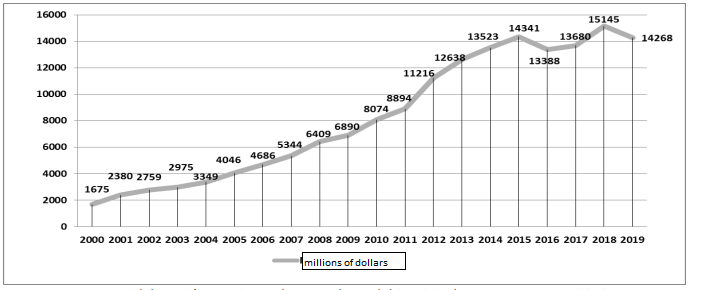
Tax Culture   Evolution of gross tax collection (period 2000 to 2019). The expansionist zeal was financed through arbitrarily applied taxes collected through force and violence. This exercise was evident during the different types of colonialism, in which the imposition of tribute was a means of oppression. The socially and politically dominant classes were freed from contributing to the public administration, enjoyed privileges and advantages, to the detriment of the underprivileged classes. It took humanity a long time to understand the true meaning of taxation as a means for the citizen to contribute to the maintenance of the State. This new conception of taxation came hand in hand with the republic, democracy, and the then called "Rights of Man". The French Revolution was the milestone that marked this new conception of taxation. Montesquieu, the French liberal thinker, stated that "The revenues of the State are that part of its property which each citizen gives to k...

3th Bac - Leadership in the Workplace

 In the workplace, leaders who “lead by example” and inspire others to do the same are critical to an organization’s success. Leaders are arguably the most critical asset in any organization and are counted on as pillars to hold up and support the rest of the workforce. As such, their role is the most inspected and their success is most directly correlated to organizational success. As a leader, you are expected to be a problem solver. But you don't need to have all the answers. In fact, leaders are not only allowed to but are obligated to use any and all resources at their disposal to come up with the best solutions.  Great Leadership When thinking about great leaders we often think of the characteristics they have that most people lack. That’s not how the legendary business leader W. Edwards Deming saw things. He believed that leadership isn’t about the individual at all. In fact, he saw leaders more as facilitators and the people being led as the true drivers of success. Tr...

1st Bac - Basic Balance Sheet/Financial Statements

Image
      Basic Balance Sheet The last step in the accounting process is the elaboration of a report that gives information about the financial situation of a business. In accounting this report is known as balance sheet. Characteristics of the Balance Sheet A balance sheet is a report that explains, for a period of time, the financial situation of a business taking into account the investment (assets), the debt (liabilities) and the resources given by the entrepreneur (equity). Assets = Liabilities + Equity Importance of the Balance Sheet The information found on the balance sheet helps the company at the moment of identifying its strengths and weaknesses. Also, it helps to look at the progress the company has had. Process of Elaborating a Balance Sheet 1. Determine the Reporting Date and Period A balance sheet is meant to depict the total assets, liabilities, and shareholders’ equity of a company on a specific date, typically referred to as the reporting date. Often, the...